
By Own Correspondent
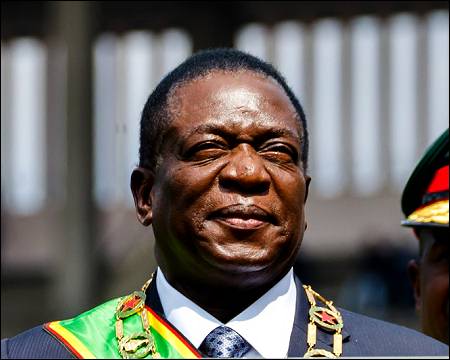
Zimbabwe is facing difficult times as a new report from the Human Rights Measurement Initiative (HRMI) reveals the country is falling short of key international human rights standards.
The findings, released this week, highlight pressing issues affecting the daily lives of millions across the nation.
The HRMI’s latest assessment shows Zimbabwe scored 63.1percent on the Quality of Life Index, which measures rights like education, food, health, housing, and work. Some of the lowest scores were in areas many citizens rely on every day: water (31.1percent), sanitation (35.8 percent), and subsistence income (36.4 percent). Over the past fifteen years, these critical indicators have only worsened.
“The rights we measure are absolutely fundamental, and leaders must prioritise them,” urged Thalia Kehoe Rowden, HRMI’s co-executive director.
The report especially called out challenges with access to housing, noting a score of just 33.5 percent and emphasizing that children and women from poorer backgrounds are the most vulnerable.
But the concerns go beyond just living conditions. According to HRMI, Zimbabwe’s Empowerment score stands at 4.3 out of 10, which covers freedoms of assembly, expression, political participation, and religion? This low score signals that many Zimbabweans do not fully enjoy these basic civil liberties.
The Safety from the State score is 6.5 out of 10, reflecting ongoing worries about arbitrary arrests, torture, extrajudicial killings, and disappearances.
The report concludes that Zimbabwe’s ongoing governance challenges are making economic hardship and political instability even worse. As the country faces high unemployment, rising prices, and failing public services.
Overall, the HRMI report paints a sobering picture: Zimbabwe is struggling to uphold its human rights promises, and unless urgent action is taken, the situation may continue to deteriorate for many of its citizens.

Leave a comment